18 November 2026
Key points to review before booking a Dubai buggy ride
Presented by @thebuggydubainest
Riding a dune buggy across the red sands of the Arabian desert is a popular way to experience the landscape. The vehicles are built for off-road terrain, and the experience itself is straightforward: you drive across dunes, sometimes with a guide, sometimes in a group. But the ease of booking a trip online means many people skip the practical checks that make the difference between a smooth ride and a frustrating one. Before you confirm a reservation, there are several things worth verifying.
Vehicle condition and safety gear
The most obvious point is the buggy itself. A well-maintained dune buggy should show no obvious leaks, cracked body panels, or loose bolts. The tyres matter a great deal. Sand driving requires tyres with enough tread to grip loose surfaces, but not so much that they dig in. Ask what the operator uses and whether they check tyre pressure before each ride. Low pressure helps on soft sand, but if it is too low the tyre can come off the rim.
Safety equipment is another area where standards vary. A helmet is essential, even on a slow ride. The helmet should fit snugly and have a visor or goggles to keep sand out of your eyes. Some operators provide balaclavas or bandanas to cover the mouth and nose. Check that the buggy has a proper roll cage. The frame should be continuous, with no rust or cracks at the welded joints. A roll cage is not just for looks. If the buggy tips on a steep dune, it is the only thing between you and the sand.
Seat belts are another item to confirm. A lap belt alone is common, but a four-point harness keeps you in place during sharp turns. If you are sharing a buggy with another person, check that both seats have belts. Some budget operators skip this on the passenger side.
Experience level and terrain difficulty
Not all desert tours are the same. Some routes are flat and gentle, suitable for first-timers. Others involve high dunes, steep drops, and fast descents. A good operator will ask about your driving experience and match the route to your skill level. If they do not ask, that is a red flag. You want a briefing that covers basic controls, sand driving techniques, and what to do if you get stuck.
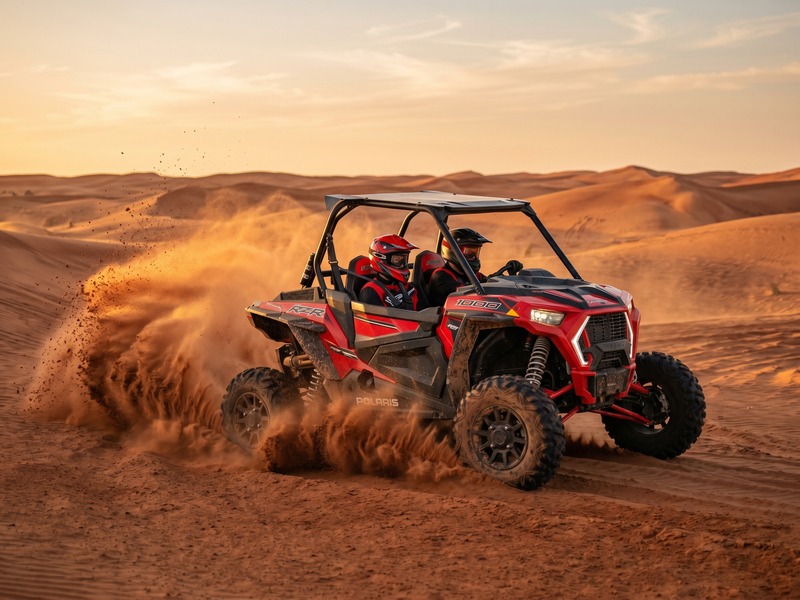
The size of the group also affects the experience. A large convoy creates dust clouds that reduce visibility. Small groups, ideally four to six buggies, let you maintain a safe distance and still see the landscape. Ask how many buggies are on the same tour. If the operator cannot give a clear number, consider another option.
The terrain itself can change with the weather. After a rainstorm, the sand becomes compacted and easier to drive on. In dry conditions, the sand is loose and the buggy may slide more. A good guide will adjust the route accordingly. If the operator runs the same route every day regardless of conditions, the ride may be either too easy or too risky.
Engine power and buggy type
Dune buggies come with different engine sizes. Lower horsepower models are fine for gentle dunes and for drivers who want a relaxed pace. Higher horsepower gives you more control on steep climbs and lets you crest dunes without stalling. For a typical desert tour, a buggy with a 500cc engine or larger is common. Anything smaller may struggle on the taller dunes found in the Dubai desert.
The buggy type also matters. Some are single-seaters, others seat two. A two-seater buggy is wider and may feel less nimble on narrow ridges. If you are driving alone, a single-seater often handles better. If you are taking a passenger, check that the buggy has a secure handhold for them and that the seat is padded. Some two-seaters put the passenger behind the driver, which can be bumpy on rough ground.
Duration and inclusions
A typical desert tour lasts between one and three hours. The advertised time often includes the briefing, safety checks, and a break for photos. Ask how much of that time is actual driving. A two-hour tour that includes a half-hour stop for refreshments and another half-hour for photos leaves only one hour of driving. That may be enough, but you should know before you book.
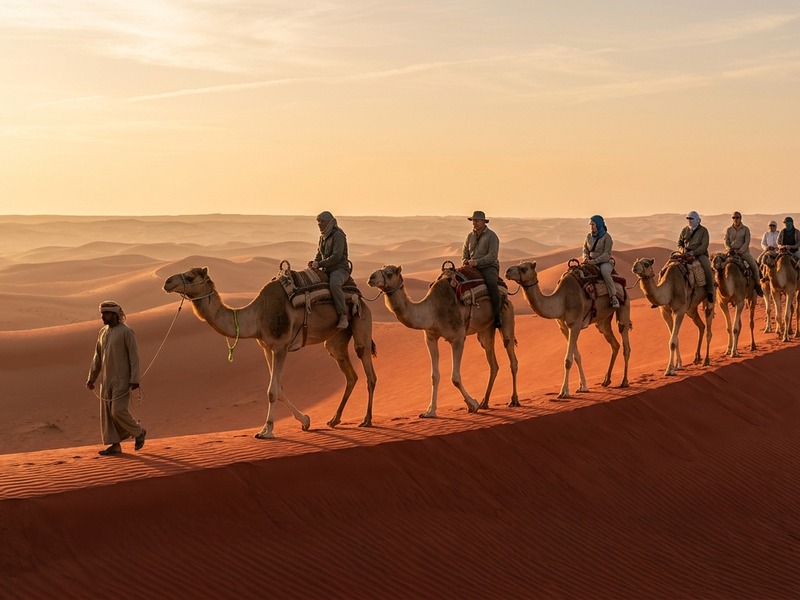
Some packages include extras like sandboarding or a camel ride. If you are interested in sandboarding, check that the board is provided and that the dune used for it is tall enough for a decent slide. Sandboarding on a short, flat dune is not much fun. If the tour includes a stop at a camp, find out whether food and drinks are included or available for purchase. Hidden charges for water, snacks, or photos can add up.
Insurance is another point to clarify. Most operators include basic liability coverage, but it may not cover damage to the buggy if you crash. Read the terms carefully. If the operator asks you to sign a waiver that holds you responsible for any damage, consider whether you are willing to take that risk. A small scratch on a sand dune is one thing. A rolled buggy is another.
When you search for a buggy dubai experience, you will find many companies offering similar-looking packages. The details matter. One operator may use older buggies with basic safety gear, while another invests in newer models and thorough briefings. The price difference is often small, but the experience difference can be large.
What to wear and bring
The desert is dusty and hot. Loose, light-coloured clothing helps reflect the sun and keeps you cooler. Closed-toe shoes are essential. Sandals or flip-flops are not safe. A scarf or buff to cover your mouth and nose is useful when following another buggy. Sunglasses with a strap are better than regular glasses, which can fly off on a bumpy stretch.
Sun protection is important, even in late afternoon. The sun reflects off the sand, so you get UV from above and below. Apply sunscreen before the ride and bring a small bottle for reapplication. Water is another must. Operators usually provide water, but bring your own bottle if you prefer. Dehydration creeps up quickly when you are focused on driving.
Cameras and phones are best kept in a sealed bag. Sand gets into every crevice. A small action camera mounted to the buggy frame works well, but check that the operator allows it. Some do not, for safety reasons. If you want photos of yourself driving, ask whether the guide takes them or whether you need to stop and take your own.
Reputation and reviews
Online reviews are useful, but they need to be read with care. Look for recent reviews that mention the specific tour you are considering. A five-star review that says "great fun" tells you little. A review that mentions the guide, the buggy condition, and the route is more helpful. Look for patterns. If multiple reviews mention broken buggies, long waits, or poor communication, take them seriously.
Social media pages and booking platforms often have photos and videos posted by customers. These are more reliable than the operator's own promotional material. If the photos show clean buggies and happy riders, that is a good sign. If they show dusty, battered vehicles, believe what you see.
Word of mouth also counts. If you know someone who has done a buggy dubai tour, ask them about their experience. They can tell you which operator they used, how the guides were, and whether the buggys performed well. Personal recommendations are often the most trustworthy source of information.
Weather and season
Dubai's summer heat makes daytime riding uncomfortable, even dangerous. The sand temperature can exceed 50 degrees Celsius. Most operators run tours in the early morning or late afternoon, even in winter. In summer, they may offer only early morning slots. Check the forecast before you book. If a sandstorm is predicted, the tour may be cancelled or rescheduled. Ask about the cancellation policy before you pay.
Winter months, from November to March, offer the most pleasant conditions. The sand is cooler, the sun is lower, and the wind is usually light. Evening tours in winter are popular because the sunset colours are dramatic. If you book during this period, expect higher demand and possibly higher prices. Book early to secure a spot.
Final practicalities
Transport to and from the desert is often included in the tour price. Confirm the pickup location and time. Some operators pick up from hotels in Dubai city, while others require you to meet at a central point. If you are staying in a remote area, check whether the pickup covers your location. Late arrivals are common, so plan to be ready 15 minutes before the scheduled time.
Payment methods vary. Most operators accept credit cards, but some prefer cash. Ask about deposits. A reasonable deposit is fine, but a large upfront payment without a clear refund policy is a warning sign. Read the terms for cancellations and bad weather refunds. If the operator cannot give clear answers, move on.
A desert buggy ride can be a memorable part of a Dubai trip. The key is to check the details that matter: vehicle condition, safety gear, route difficulty, and the operator's reputation. Taking a few minutes to verify these points before you book saves you from a disappointing or unsafe experience. The desert is beautiful, but it is also unforgiving. A well-prepared ride lets you enjoy it without worry.